Occupational Therapy
OT Tips for Starting Secondary School
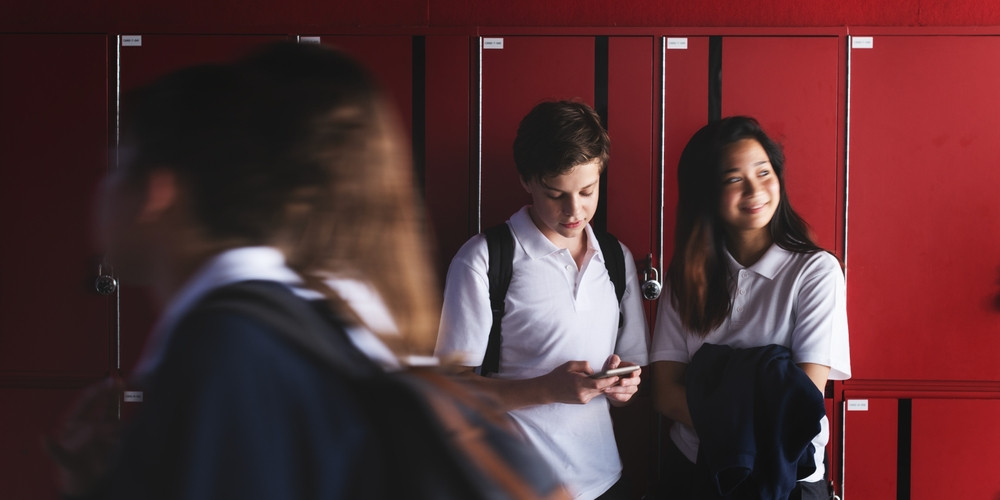
Starting secondary school is a big milestone. For many adolescents, it brings a mix of excitement, nerves, curiosity, and uncertainty - and parents often feel the same way!
Bigger campuses, new teachers, shifting routines, and the growing expectation of independence can feel like a lot all at once.
Occupational Therapists (OTs) regularly support children through this transition, and many of the strategies they use can make the change smoother for any young person.
Building Familiarity Before Day One
One of the best ways to ease anxiety is to help your child feel familiar with their new environment before school even begins. Visiting the school during open days or the holidays, walking the paths they’ll use, or even looking at a map together can make the space feel more predictable. Preparing a social story covering their areas of concern can be very effective at this time. Some families find it helpful to practise the route between classes or identify places where their child might go if they need a moment to regroup. Looking at pictures of the campus online or even reviewing school literature together can also be useful. These small steps create a sense of “I know where I’m going,” which can make a big difference in those first few weeks.
Creating Routines That Support Independence
Secondary school often comes with earlier starts, a bigger workload, and a timetable that changes every day. Establishing predictable routines at home can help your child feel grounded when everything else feels new. Setting up a simple morning rhythm, packing bags and laying out uniforms the night before, or having a consistent after-school routine – something like snack, downtime, then homework – can remove a lot of pressure from busy weekdays. Some families like to display the weekly timetable on the fridge or on a giant whiteboard. These kinds of supports reduce cognitive load, especially for children who struggle with executive functioning.
Working in Partnership With Your Child’s School
The transition into secondary school is much easier when families and schools work as a team. Connecting early with your child’s teachers and the learning support staff can make a big difference. It helps to share insights about your child – their strengths, interests, challenges, and anything that supports their learning – so the school can understand them as a whole person. If your child has reports from psychologists, occupational therapists, speech pathologists, or other professionals, providing these to the school helps everyone get on the same page. From there, you can work with the school’s designated team to create a Student Support Plan that reflects your child’s needs. These plans often include adjustments or accommodations that can help your child participate fully, so it’s worth discussing what options are available. Regular check-ins throughout the year help ensure the plan is working and can be modified if needed. The most important thing is keeping communication open and collaborative.
Supporting Organisation in Practical, Realistic Ways
Organisation becomes a much bigger part of school life. Instead of one classroom and one teacher, students have several subjects, different materials, and more responsibility for keeping track of everything. You can help by finding small, achievable systems that work for your child. For example, some children enjoy having a separate notebook or folder for each subject; others prefer multi-subject booklets which have colour-coded sections they can allocate to a particular subject. Keeping a spare, fully stocked pencil case in their bag and creating a “launch pad” at home near the front door for essentials can reduce morning stress. These techniques aren’t about making life perfect; they’re about helping your child feel capable and prepared, as well as anticipating common challenges.
Encouraging Self-Advocacy
As children move into secondary school, it becomes more important for them to speak up for what they need. Some kids do this naturally, while others benefit from practising simple ways to ask for help. You might rehearse what to say if they miss instructions or feel overwhelmed or help them identify the adults at school they can go to if something isn’t going well. Knowing how to ask for support isn’t just useful for neurodivergent students – it’s a valuable life skill for all young people.
Preparing for Sensory Differences
Secondary schools tend to be louder, busier, and more stimulating than primary settings. If your child is sensitive to noise, smells, or crowds, it can help to talk through what to expect. Positive collaboration between families and schools is key if your child has sensory differences. Most schools want to help but may not always be aware of your child’s specific needs. Share as much information as you can. You might explore whether the school allows noise-reducing headphones or decide together on a few calming strategies to implement. Identifying quieter areas ahead of time can also make a big difference for children who need occasional breaks from sensory overload.
Supporting Emotional Regulation
Big transitions bring big feelings. Checking in regularly with your child and helping them notice what’s going on inside, whether it’s excitement, nerves, overwhelm, or all of the above, shows them that these emotions are completely normal. Practising calming strategies at home, such as deep breathing or grounding techniques, can give them tools to use when things feel tough at school. Some families find it helpful to create a simple “transition plan” for the first term, especially if their child tends to feel anxious or dysregulated in new environments.
Growing Everyday Independence
Secondary school expects students to manage more on their own, from using locks and managing money for the canteen to keeping track of belongings. Practising these skills in low-pressure situations can make the real thing feel much less daunting. You might try using combination locks at home, involve your child in packing their school bag, or let them practise buying something at a shop. These little moments of independence build confidence that carries over into school life.
Building Social Confidence
New environments also mean new social dynamics. Some children find this exciting, while others need a bit more support. Role-playing common social situations, talking about what to do if they’re not sure where to sit or who to walk with, or encouraging them to join clubs that match their interests can give them a sense of belonging early on. Remind your child that friendships often take time to settle and that it’s okay to feel unsure at first—most kids do. Enlist the help of school leaders who may be able to assist in fostering relationships with other children who are also looking for new friends.
Level Up to Personalised Strategies
Whilst these tips are helpful for many young people starting secondary school, every child has their own strengths, challenges, and way of navigating the world. What works beautifully for one student may not be the right fit for another – especially for individuals who are neurodivergent or who need additional support with organisation, sensory demands, or emotional regulation. Collaborating with an Occupational Therapist can help you move beyond general tips and develop personalised strategies linked to your child’s individual needs and presentation. An OT can also work alongside the school to ensure that the strategies being used at home and in the classroom are consistent, meaningful, and genuinely supportive of your child’s success.
Celebrating Strengths and Small Wins
Most importantly throughout the journey, remind your child of what they do well. Whether it’s kindness, humour, creativity, problem-solving, or simply showing up each day, these strengths matter. The start of secondary school is full of learning curves, and every small win is worth celebrating. Encouragement and connection go a long way in helping your young person step into this new chapter with confidence.